Understanding the Different Kinds Of Thumb Braces and Their Makes Use Of in Treatment
Thumb braces play an important role in therapy and recovery for different thumb-related injuries and conditions. Various kinds of thumb braces deal with certain demands, from stiff options that offer optimal assistance to softer selections that permit even more motion. Recognizing these differences is essential for efficient healing. Selecting the ideal kind can be complex. What factors should one take into consideration when picking a thumb brace for the very best healing outcomes?
Review of Thumb Braces
Thumb dental braces are specialized devices created to sustain and support the thumb, frequently made use of in healing setups to aid recuperation from injuries or manage persistent problems. These braces come in numerous styles, customized to meet specific needs. They can be made from soft materials, using comfort and flexibility, or integrate rigid elements for included support.
Normally, thumb braces are recommended for conditions such as tendonitis, tendon, and arthritis injuries. They function by immobilizing the thumb, decreasing discomfort, and avoiding further injury throughout the recovery procedure. In addition, they can assist in protecting against repetitive strain injuries typical in activities that entail extensive thumb use, such as inputting or gaming.
In therapy, using thumb braces is frequently integrated with workouts intended at bring back strength and flexibility, making them an essential element in an extensive rehabilitation program. Their flexibility makes them vital tools in taking care of thumb-related issues effectively.
Stiff Thumb Braces
Inflexible thumb dental braces give a higher degree of assistance and immobilization contrasted to their softer counterparts. These dental braces are commonly created from materials such as thermoplastics or metal, guaranteeing sturdiness and stability. They are designed to limit thumb motion efficiently, which is important for individuals recovering from injuries, surgical treatments, or handling problems like joint inflammation and tendonitis.
By restricting flexibility, inflexible thumb braces help minimize pain and stop further damage throughout the recovery process. They typically feature flexible bands to supply an adjustable fit, enhancing comfort while maintaining support - Canadian Orthopedic Supply. Rigid braces are specifically valuable for patients calling for considerable immobilization, permitting them to take part in daily activities with reduced risk of intensifying their conditions
In treatment, rigid thumb dental braces function as a vital device, assisting in rehabilitation by promoting correct recovery and alignment, making them a necessary element in the administration of thumb-related injuries and disorders.
Soft Thumb Braces
Many individuals take advantage of soft thumb braces, which offer a modest level of assistance while allowing for higher movement contrasted to rigid alternatives. These braces are commonly made from versatile products, such as neoprene or elastic, making it possible for customers to carry out day-to-day tasks effortlessly. Soft thumb braces are specifically effective for problems such as arthritis, tendonitis, or minor strains, where some assistance is required without full immobilization.
The design of soft thumb dental braces typically consists of flexible straps, making sure a tailored suitable for the user. This adaptability can aid alleviate pain and inflammation while keeping mastery, making them suitable for jobs that call for great motor abilities. In addition, soft thumb dental braces can be conveniently worn during various tasks, from inputting to food preparation, boosting overall capability. Because of this, they serve as a valuable choice for individuals looking for alleviation and assistance while maintaining an active lifestyle.
Thumb Spica Splints
Thumb spica splints offer a critical role in paralyzing the thumb and wrist, advertising healing in numerous problems. Typical disorders treated with these splints consist of thumb cracks, ligament injuries, and arthritis. Splint. Understanding the appropriate use guidelines is vital for maximizing their effectiveness in treatment
Function of Thumb Spica
A thumb spica splint offers an important role in the restorative administration of different thumb and wrist injuries. This specialized device paralyzes the thumb and wrist, supplying stability and assistance throughout the recovery procedure. By restricting activity, the splint helps in reducing pain and swelling, facilitating recovery. It is designed to maintain proper alignment of the thumb, minimizing the risk of further injury. Additionally, the splint aids in avoiding extreme pressure on the bordering muscle mass and tendons. Its building frequently includes lightweight materials for comfort while making certain adequate protection. Generally, the thumb spica splint is a necessary device in recovery, promoting healing and bring back feature for individuals with thumb and wrist conditions.
Usual Conditions Treated
Numerous thumb and wrist problems can gain from the use of thumb spica splints. These splints are specifically efficient for people experiencing conditions such as De Quervain's tenosynovitis, where inflammation of the ligaments affects thumb motion. They are likewise commonly employed in cases of thumb cracks or injuries, supplying needed immobilization for recovery. Arthritis in the thumb joint can be reduced with thumb spica splints, which help reduce pain and maintain functional security. Additionally, these splints are beneficial for post-surgical recovery, guaranteeing that the thumb remains shielded during the healing procedure. Generally, thumb spica splints act as a functional treatment alternative for various thumb-related disorders, advertising recuperation and improving quality of life.
Correct Usage Standards
Correct use of thumb spica splints is crucial for maximizing their restorative advantages and ensuring effective healing. The splint needs to fit snugly however not also firmly, enabling for circulation without pain. It is important to wear the splint consistently, especially during activities that may stress the thumb. Individuals need to comply with the doctor's standards concerning duration of wear and any kind of specific workouts to execute while using the splint. Normal assessment of the skin under the splint is needed to stop irritability or pressure sores. Additionally, maintaining the splint tidy and dry will enhance convenience and health. Lastly, clients must communicate any pain or issues to their doctor to ensure the splint remains effective in therapy.
Useful Thumb Braces
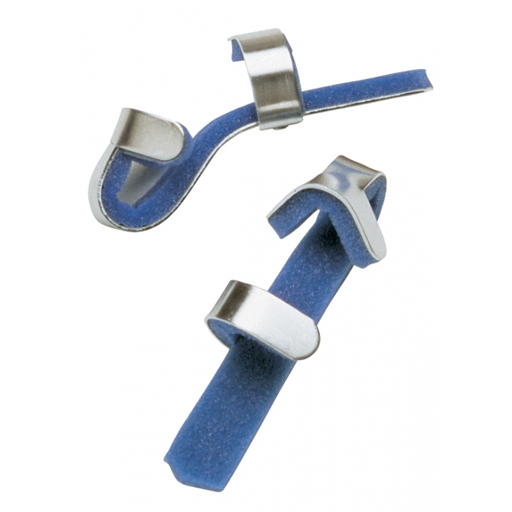
Generally made from lightweight materials, these braces are made to fit well around the thumb and wrist, lessening pain. They typically feature flexible bands to guarantee a customized fit, accommodating different hand shapes and sizes. Functional thumb braces permit the retention of thumb flexibility, which is important for grasp toughness and mastery.
Therapists usually suggest these braces as part of a complete rehab program, allowing clients to take part in restorative workouts while keeping security. brace. This balance of support and versatility advertises healing, making practical thumb supports a very useful property in therapy settings
Custom-Made Thumb Braces
Personalized thumb supports offer a customized fit that enhances have a peek at these guys convenience and effectiveness for specific customers. The numerous material and design options available enable tailored services that provide to specific requirements and preferences. This customization can greatly affect the overall therapeutic results for people.
Customized Fit Advantages
While numerous thumb dental braces give basic support, tailored-fit alternatives use distinct benefits for people looking for effective therapy. Custom-made thumb braces are created to adjust exactly to the person's anatomy, making sure ideal comfort and stability. This individualized fit can significantly enhance the performance of therapy, as the support can target particular areas calling for assistance or immobilization. In addition, tailored-fit dental braces usually minimize the threat of skin irritability and pressure sores, which can accompany ill-fitting options. They also advertise better adherence to treatment regimens, as customers are extra likely to use a support that feels safe and comfy. Generally, the advantages of tailored-fit thumb dental braces make them a useful choice for those calling for specialized support in their therapeutic trip.
Product and Design Options
When selecting a thumb brace, the selection of materials and design plays a necessary role in its efficiency and user comfort. Tailor-made thumb braces can be built from different materials, including thermoplastics, neoprene, and material blends, each offering distinct advantages. Thermoplastics give rigidity and support, while neoprene supplies flexibility and heat, advertising circulation. The layout can be customized to suit private physiological demands, guaranteeing correct alignment and stability. Additionally, functions such as breathable materials and flexible straps boost comfort during prolonged wear. Personalization not just addresses certain injuries or conditions yet also thinks about way of life elements, enabling a more customized strategy to treatment. Eventually, the right mix of product and design can significantly boost recovery end results and customer satisfaction.
Choosing the Right Thumb Brace for Your Demands
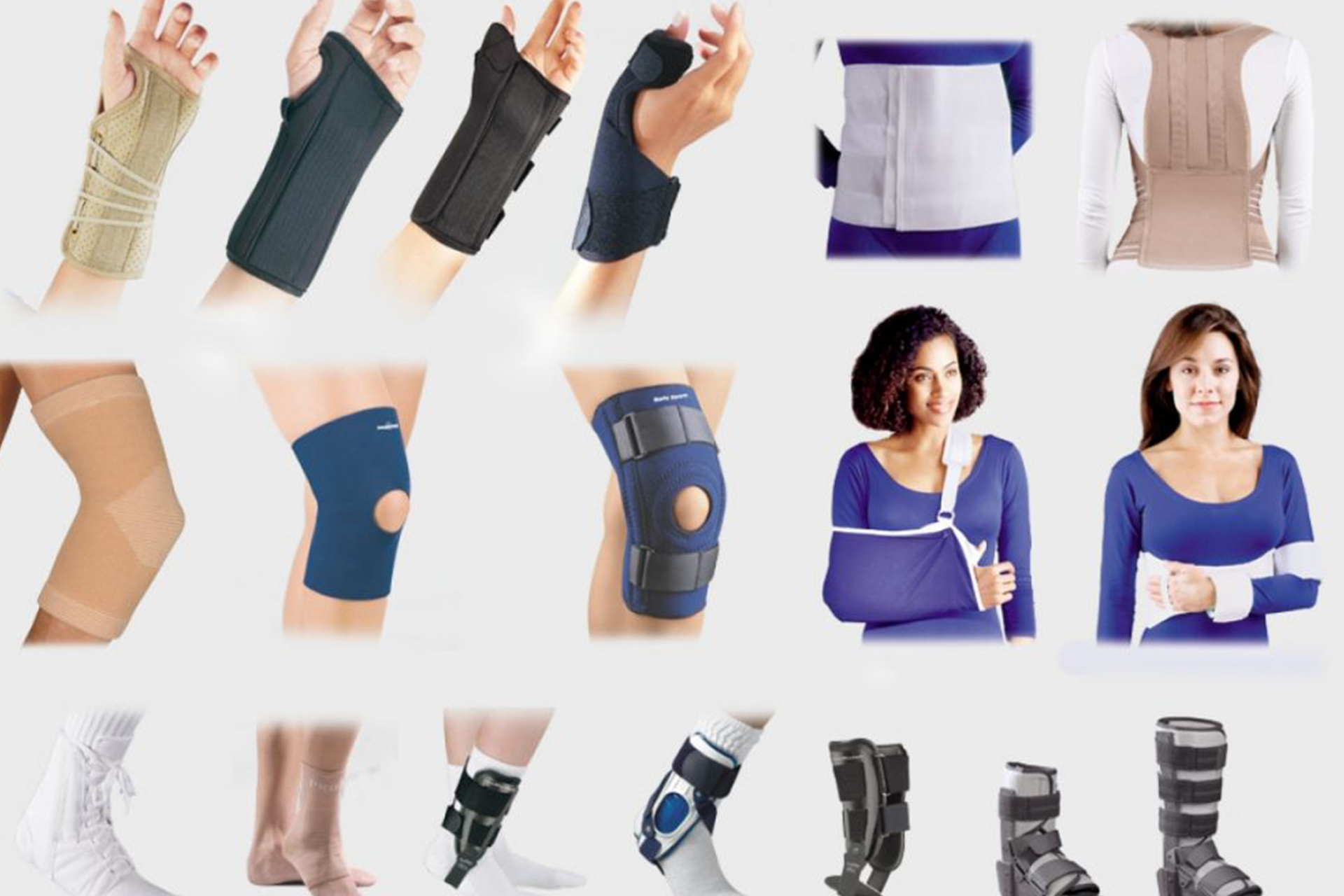
Next, take into consideration the design and materials of readily available thumb braces, as these variables impact convenience and adaptability. A support that permits some flexibility could be preferable for recovery, while a rigid support may be required for immobilization throughout intense injury recuperation.
Often Asked Concerns
Exactly how Lengthy Should I Wear a Thumb Dental Braces Every Day?
Normally, individuals need to use a thumb brace for 4 to 6 hours daily, or as guided by a medical care specialist. Duration may differ based upon particular problems, treatment objectives, and individual comfort levels.
Can Thumb Braces Be Used Throughout Sports Activities?
Thumb braces can be put on during sporting activities activities, giving support and protection. However, it is important to determine they do not restrict activity excessively, which can impede efficiency or cause further injury.
Are There Any Type Of Adverse Effects From Long Term Dental Braces Use?
Prolonged use thumb dental braces might result in skin inflammation, muscle mass weak point, or dependency on the support for support. It's essential to stabilize usage with periods of motion to maintain stamina and flexibility in the thumb.
Exactly how Do I Clean and Keep My Thumb Brace?
To cleanse and keep a thumb brace, carefully hand laundry it with mild soap and water, rinse thoroughly, and air completely dry. Avoid extreme chemicals or device cleaning to maintain the brace's structure find here and efficiency.
When Should I Consult a Physician Regarding Thumb Discomfort?
Seek advice from a doctor regarding thumb pain if it persists for even more than a few days, conflicts with daily tasks, shows important source signs of wounding or swelling, or is gone along with by feeling numb or tingling feelings.
Thumb braces are specialized tools designed to stabilize the thumb and support, usually used in healing settings to assist recovery from injuries or handle chronic problems. A thumb spica splint offers an important duty in the healing management of numerous thumb and wrist injuries. Different thumb and wrist conditions can profit from the use of thumb spica splints. Joint inflammation in the thumb joint can be alleviated with thumb spica splints, which aid minimize pain and maintain practical stability. Functional thumb braces are crucial tools in recovery, created to support and stabilize the thumb while enabling for some degree of activity.
Comments on “Canadian Orthopedic Supply presents practical brace insights for users”